Raising Awareness for Colon Cancer: Early Detection Saves Lives
Colorectal cancer is one of the leading causes of cancer-related deaths worldwide, yet it remains one of the most preventable forms of cancer. By spreading awareness, encouraging early detection, and promoting healthy lifestyle choices, we can significantly reduce the impact of this disease. March is the perfect time to shine a light on the importance of colon cancer awareness and what each of us can do to take control of our health.
What is Colon Cancer?
Colon cancer, also known as colorectal cancer, starts in the large intestine (colon) or rectum. It usually begins as a small clump of cells called polyps, which can become cancerous over time. While the exact cause of colon cancer is not fully understood, several factors can increase the risk, including age, family history, certain inherited genetic conditions, and lifestyle factors like diet, smoking, and lack of physical activity.
Why Early Detection is Crucial
The good news is that early detection of colon cancer can save lives. When detected early, the survival rate is as high as 90%. The key to early detection lies in regular screening, as symptoms might not appear until the cancer is more advanced. Here’s how early screening can make a difference:
- Prevention: Colon cancer often begins with precancerous polyps. Regular screenings like colonoscopies allow doctors to remove these polyps before they develop into cancer.
- Early Diagnosis: Catching colon cancer in its early stages allows for more treatment options and higher chances of recovery. Most colorectal cancers are treatable if detected early.
Who Should Get Screened?
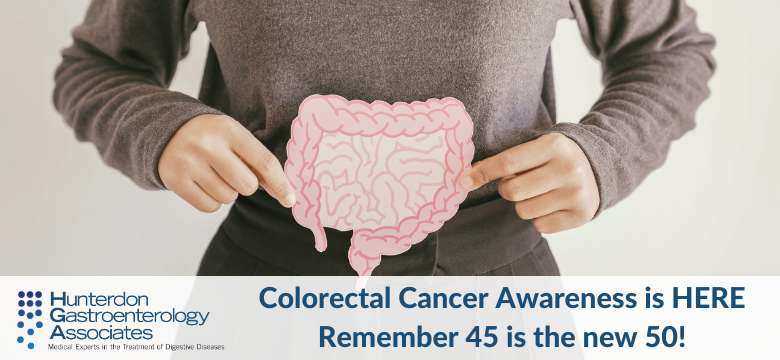
According to major health organizations, colon cancer screening is recommended for individuals starting at age 45, but your personal risk factors may influence this. Some people may need to start screening earlier or have more frequent check-ups, especially if they have:
- A family history of colorectal cancer or polyps
- A personal history of inflammatory bowel diseases (like Crohn’s or ulcerative colitis)
- Genetic conditions like Lynch syndrome or familial adenomatous polyposis (FAP)
Consulting your healthcare provider is the best way to determine your screening schedule and methods.
Symptoms to Watch For
While many people with colon cancer may not experience symptoms early on, here are some signs to be aware of:
- Unexplained weight loss
- Persistent abdominal discomfort (gas, cramps, or pain)
- Changes in bowel habits (diarrhea, constipation, or narrowing of the stool)
- Blood in stool or rectal bleeding
- Fatigue or weakness
If you experience any of these symptoms, it’s important to talk to your doctor, especially if they persist.
Lifestyle Choices that Lower the Risk of Colon Cancer
While screening is key to early detection, prevention starts with healthy lifestyle choices. Here are a few tips that can help reduce your risk of developing colon cancer:
- Eat a balanced diet: Focus on a high-fiber diet that includes plenty of fruits, vegetables, and whole grains. Limit processed foods, red meat, and foods high in fat.
- Exercise regularly: Physical activity helps maintain a healthy weight and promotes proper digestion, both of which reduce your risk of colorectal cancer.
- Avoid smoking: Smoking is a known risk factor for many cancers, including colon cancer.
- Limit alcohol: Drinking alcohol in moderation (or not at all) is important for reducing colon cancer risk.
- Know your family history: If colorectal cancer runs in your family, talk to your doctor about starting screenings earlier or using different screening methods.
Breaking the Stigma Around Screening
Unfortunately, some people feel embarrassed or fearful about undergoing colon cancer screenings, especially colonoscopies. However, these screenings are quick, safe, and incredibly valuable in detecting potential issues early. Remember, it’s better to take preventative steps than to face a late-stage diagnosis.
To combat the stigma surrounding colon cancer and its screenings, we must engage in open conversations. Share information, encourage others to get screened, and let’s normalize discussing our health openly.
Early detection, regular screenings, and healthy lifestyle choices can make all the difference in preventing and treating this disease. This Colon Cancer Awareness Month, take a step toward protecting your health and the health of those you love. Encourage your friends, family, and community to get screened and stay informed. Together, we can fight colorectal cancer and save lives.
Stay proactive, stay informed, and don’t wait—screening could save your life.